


Types of Metals: A Complete Guide
Before diving into specific metals, let’s start with the basic types. Metals fall into two main categories depending on their iron content: ferrous metals and non-ferrous metals. The word “ferrous” comes from the Latin word for iron.
Ferrous metals contain iron as their primary element. These type of metals have magnetic properties and can rust when exposed to water. Common examples of ferrous metals include carbon steel, cast iron, and wrought iron.
Non-ferrous metals do not contain iron. Compared to other metals, they are typically lighter. They likewise offer better corrosion resistance and do not have magnetic properties. The most common examples are copper alloys, aluminum, zinc, and precious metals like gold and silver.
What is Metal?
Metal is a class of materials characterized by high electrical conductivity, thermal conductivity, malleability, ductility, and a lustrous appearance. Metals are typically solid at room temperature (except mercury) and form positive ions (cations) in chemical reactions.
Its characteristics enable it to be used in CNC processing, sheet metal fabrication, casting, welding and other processes. It can be made into various shaped profiles or parts, as well as various structural components.
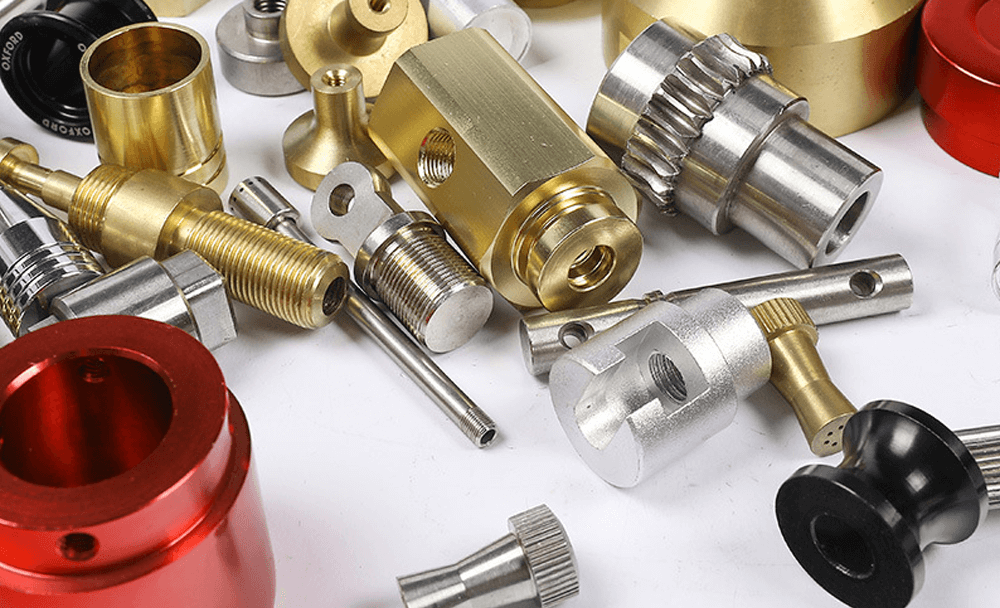
Summary Table: Metals Types & Their Characteristics, Applications
Aluminum
Characteristics:Lightweight, soft, corrosion-resistant, high strength-to-weight ratio, conductive
Common Applications: Construction, machinery, tools, automotive
Carbon Steel
Characteristics:Strong, durable, recyclable, good plasticity, high toughness
Common Applications: Construction, machinery, tools, automotive
Tool Steel
Characteristics:High hardness, wear-resistant, maintains hardness at high temps
Common Applications: Cutting tools, dies, measuring instruments
High Carbon Steel
Characteristics:Very hard, brittle, high carbon content (0.60–0.95%)
Common Applications: Cutting tools, wear-resistant parts
Alloy Steel
Characteristics:Enhanced properties (strength, hardness, corrosion resistance) via alloying
Common Applications: Automotive, aerospace, industrial machinery
Stainless Steel
Characteristics:≥12% chromium, corrosion-resistant, durable
Common Applications: Kitchenware, medical devices, architecture
Iron (Wrought)
Characteristics:Tough, malleable, corrosion resistant, and highly weldable
Common Applications: Buildings, bridges, fences
Cast Iron
Characteristics:High carbon (>2%), hard, brittle, good casting
Common Applications: Engine blocks, pipes, cookware
Pig Iron
Characteristics:High carbon, brittle, unmalleable, raw material
Common Applications: Refined into steel/cast iron
Copper
Characteristics:Soft, conductive (heat/electricity), malleable
Common Applications: Electrical wiring, plumbing
Brass
Characteristics:Copper-zinc alloy, durable, low friction, golden color
Common Applications: Decorative items, valves, musical instruments
Bronze
Characteristics:Copper-tin alloy, harder than copper, corrosion-resistant
Common Applications: Statues, bearings, coins
Cobalt
Characteristics:Hard, brittle, magnetic, strengthens alloys
Common Applications: Magnets, aerospace alloys, batteries
Magnesium
Characteristics:Lightweight (1.74 g/cm³), strong, malleable
Common Applications: Aircraft parts, automotive components
Titanium
Characteristics:Strong, lightweight, corrosion-resistant, high melting point
Common Applications: Aerospace, medical implants
Nickel
Characteristics:Corrosion-resistant, heat-resistant, ductile
Common Applications: Electronics, batteries, alloys
Platinum
Characteristics:Dense, malleable, high melting point (1773°C)
Common Applications: Jewelry, catalytic converters
Lead
Characteristics:Soft, dense, low melting point, toxic
Common Applications: Batteries, radiation shielding
Chromium
Characteristics:Hard, brittle, adds strength/hardness to alloys
Common Applications: Stainless steel, plating, pigments
Gold
Characteristics:Malleable, non-corrosive, conductive
Common Applications: Jewelry, electronics, dentistry
Silver
Characteristics:Best electrical conductivity, malleable, tarnishes
Common Applications: Jewelry, electronics, mirrors
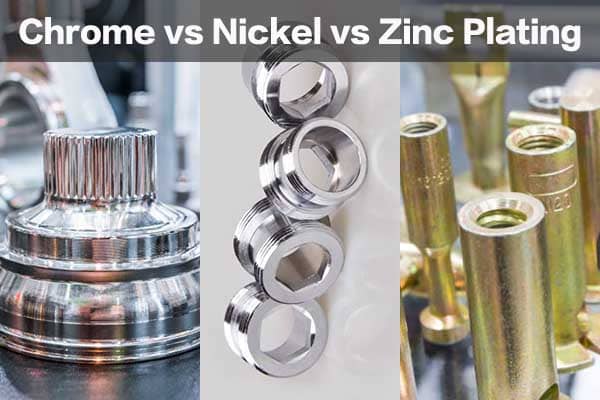
Understanding Pure Metals and Metal Alloys, What's the Difference?
Fun fact: most of the metals we use every day are not refined metals. Most of them are metallic alloys, which are a combination of different metal elements to create better metallic properties.
The concept of metal alloys is similar to cooking. Pure flour works, but combining it with eggs, butter, and sugar can create something even better. The same principle applies to metals.
Pure iron, for example, is relatively soft and bends easily. It is not ideal for most industrial applications. However, if you add carbon to iron, you create steel. Steel is much stronger and more versatile. The amount of carbon determines the final product:
Low-carbon steel (less than 0.25% carbon) is soft, affordable, and easy to shape, making it perfect for construction and manufacturing
Medium carbon steel (0.25-0.55% carbon) balances strength and flexibility
High carbon steel (0.55-2.1% carbon) is harder and holds a sharp edge longer, making it ideal for cutting tools and knives
This process of combining elements to create alloys with better properties is what makes modern engineering possible.
How to Choosing the Right Metal for Your Project
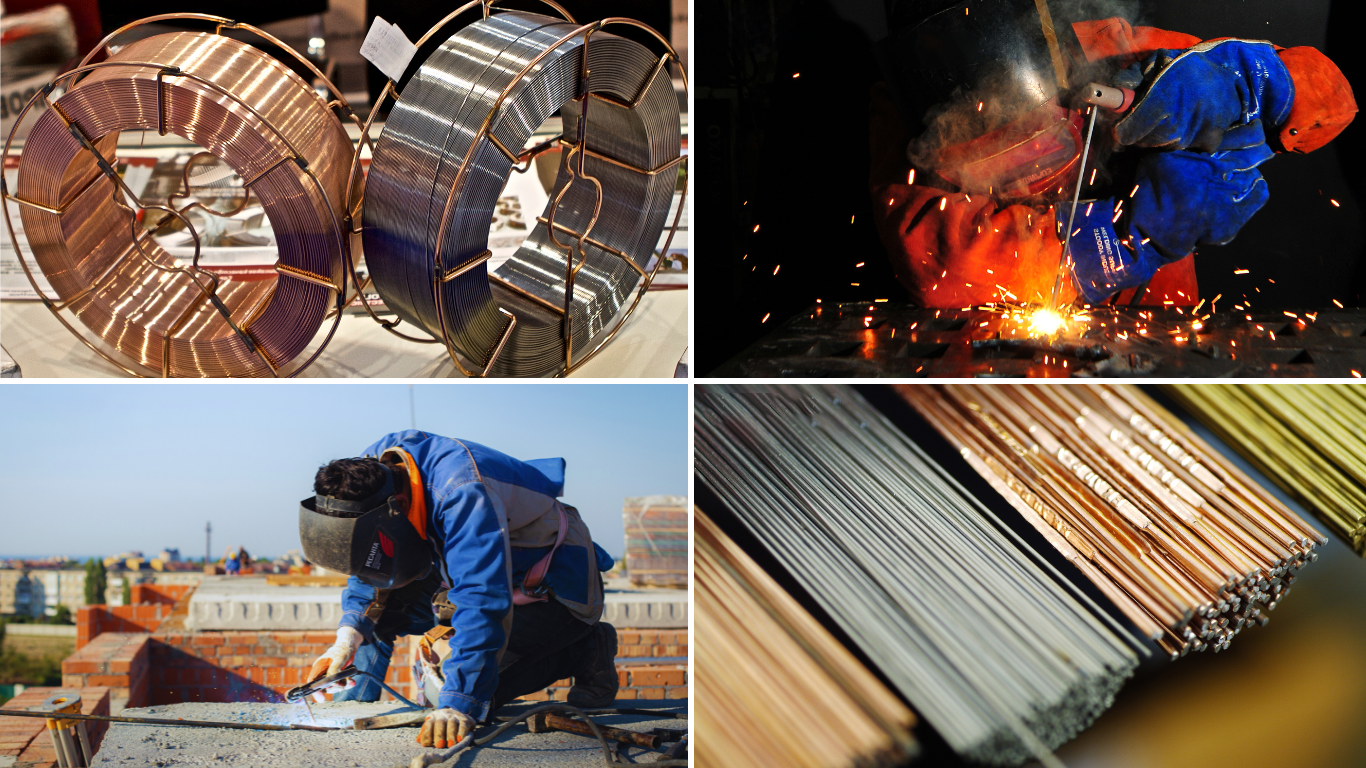
Metals have various properties distinct from each other. When selecting among different types of metal, consider:
Strength requirements: Does your application need high tensile strength, hardness, or impact resistance?
Weight constraints: Is a lightweight metal necessary, or is weight not a concern? Common examples of light metals include aluminum, magnesium, and titanium.
Environmental exposure: Will the metal face moisture, extreme temperatures, or chemicals? If the metal is always exposed to harsh conditions, you may want to have corrosion-resistant metals or metals with protective coatings.
Electrical needs: Are high electrical conductivity or specific electrical properties required?
Thermal considerations: Does thermal conductivity matter? Will it face high temperatures? You may choose metals with high thermal conduction if exposed to extreme conditions.
Budget: Pure metals and rare metallic alloys cost more than common materials like plain carbon steel.
Fabrication: Can it be cast, welded, machined, or formed into thin sheets as needed?
Magnetic requirements: Do you need magnetic metals or non-magnetic materials?
Appearance: Does metallic luster, color, or surface finish matter? Is it for decorative purposes?