


HSS vs. Diamond-Sintered Drill Bits: What’s the Difference? (Complete Guide for 2025)
Choosing the right drill bit can dramatically affect drilling efficiency, tool life, and overall project cost. One of the most frequently asked questions from customers is:
“What’s the difference between HSS drill bits and diamond-sintered drill bits?”
Both tools are widely used in machining, construction, and industrial manufacturing — but they perform differently depending on the material and application.
This guide breaks down everything you need to know, including material compatibility, performance, lifespan, cost, and which drill bit is best for your project.
What Are HSS Drill Bits?
HSS (High-Speed Steel) drill bits are made from alloyed tool steel capable of withstanding high temperatures without losing hardness. They are one of the most commonly used drill bit types in metalworking and general fabrication.
Key Features of HSS Drill Bits
-
Withstand high drilling speeds
-
Good toughness and wear resistance
-
Suitable for metal, wood, plastic, and composite materials
-
Affordable and easy to replace
-
Perfect for daily workshop or DIY use
Common Examples of HSS Tools
At our factory, we manufacture several types of HSS drill bits including:
-
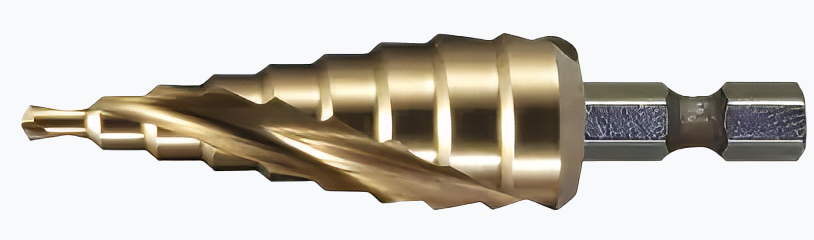
Metric Step Drill Bits – one bit for multiple hole sizes
-
Double-Head Twist Drill Bits – ideal for stainless steel and tough metals
-
Wood Countersink Drill Bit Sets – clean, smooth holes in wood
SEO Keywords Embedded: HSS drill bits, high-speed steel drills, twist drill, machining tools, metal drilling bits
What Are Diamond-Sintered Drill Bits?
Diamond-sintered drill bits are produced by bonding diamond particles to a metal body through a sintering process. Since diamond is the hardest known material, these bits are ideal for extreme drilling conditions.
Key Features of Diamond-Sintered Drill Bits
-
Exceptional hardness and cutting ability
-
Very long lifespan when drilling hard materials
-
Designed for brittle, non-metallic materials
-
Used widely in glass, ceramic, tile, stone, and marble drilling
Typical Applications
-
Glass processing
-
Ceramic and porcelain drilling
-
Stone countertop installation
-
Electronic components
-
High-precision cutting operations
SEO Keywords Embedded: diamond sintered drill bits, diamond tools, glass drilling, ceramic drilling, stone drill bits

HSS vs. Diamond-Sintered Drill Bits — Key Differences
Below is a clear comparison to help users choose the right tool:
1. Material Compatibility
HSS Drill Bits
-
Metal (aluminum, copper, mild steel, stainless steel)
-
Wood
-
Plastics and composites
-
General-purpose drilling
Diamond-Sintered Drill Bits
-
Glass
-
Ceramic & porcelain
-
Tile and granite
-
Stone & marble
-
PCB and electronic materials
HSS = versatile for metals
Diamond-sintered = best for extremely hard or brittle materials
2. Durability & Tool Life
HSS
-
Good durability for its price
-
Wears faster on hard materials
-
Requires sharpening or replacement
Diamond-Sintered
-
Significantly longer lifespan
-
Maintains sharpness under high pressure
-
Much better resistance to heat & abrasion
If drilling hard materials every day → diamond-sintered wins.
3. Cost Comparison
HSS Drill Bits
-
Budget-friendly
-
Economical for frequent replacement
-
Ideal for general workshops and DIY
Diamond-Sintered Drill Bits
-
Higher initial cost
-
But long tool life reduces long-term cost
-
Best for professional or industrial use
SEO Keywords Embedded: tool life, drill bit cost, industrial drill bits
4. Drilling Speed
HSS
-
Works well at high drilling speeds
-
Fast chip removal
-
Suitable for production environments
Diamond-Sintered
-
Must be used at slower speeds
-
Often requires water cooling
-
Prevents overheating and diamond erosion
For speed → HSS is faster
For precision on hard materials → diamond is safer
Which Drill Bit Should You Choose?
Choose HSS Drill Bits If:
-
You drill metals frequently
-
You need an affordable, versatile tool
-
You want fast drilling speeds
-
You work on mixed materials
Choose Diamond-Sintered Drill Bits If:
-
You drill glass, ceramics, tiles, stone, or marble
-
Precision and tool life matter more than cost
-
You work in professional construction, renovation, or manufacturing
-
You want maximum durability under hard drilling conditions
In short:
-
HSS = general-purpose metal drilling
-
Diamond-sintered = heavy-duty hard material drilling

Conclusion
The difference between HSS and diamond-sintered drill bits comes down to material hardness, cost, durability, and drilling requirements. Choosing the right drill bit ensures faster work, longer tool life, and a better drilling experience.
If you work mainly with metal or general materials, choose HSS.
If you drill glass, ceramic, marble, or stone, choose diamond-sintered.
About T&B – Your Reliable Drill Bit & Cutting Tool Manufacturer
T&B specializes in manufacturing:
-
HSS drill bits (twist drills, step drills, countersink bits)
-
Diamond-sintered drill bits for glass, ceramic, stone
-
Carbide tools, milling cutters, and custom cutting tools
-
OEM & ODM services for hardware brands and industrial suppliers
Why customers choose T&B:
-
Advanced CNC machining & sintering technology
-
Strict quality control standards
-
Competitive factory pricing
-
Fast delivery for global markets
-
Custom design support for distributors and brands
If you need a trusted supplier for HSS or diamond-sintered drill bits, T&B is ready to support your project with stable quality and professional service.